
by L. Tanina
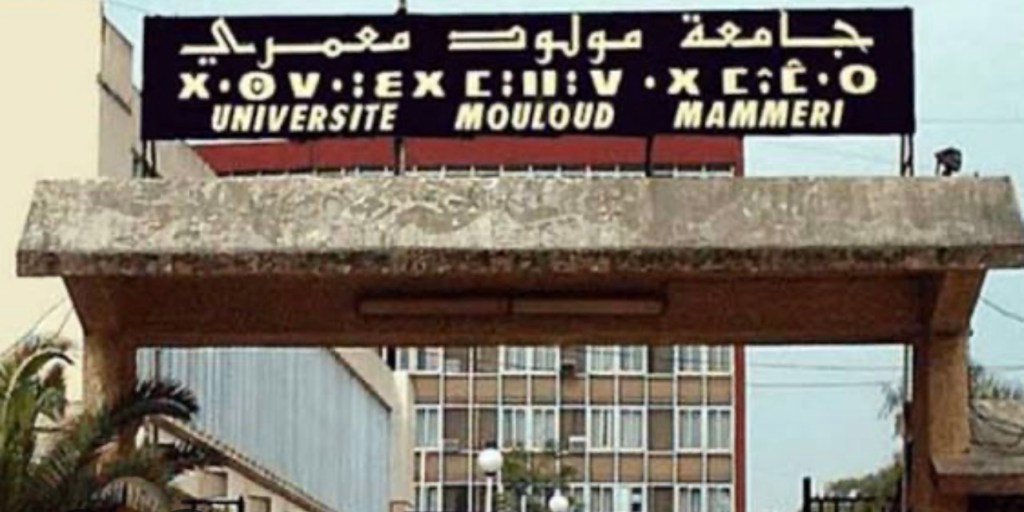
( Kabylia)–On April 20, 2026, in Tizi Ouzou, the University of Assif n’Ath Aïssi was the theatre of an event that purely transcended the academic sphere. On this highly symbolic date, students attempted to commemorate, in peace and dignity, the Kabylian Springs.
Their gesture was utterly simple: lighting candles in memory of the victims, particularly the 128 youngsters who were assassinated in 2001 by the Algerian military regime. No slogans, no violence, no commotion. Only silence, and remembrance.
But even that was prohibited.
According to several consistent accounts, university security intervened to end the peaceful gathering. The intervention quickly escalated into repression: students were jostled, intimidated, some assaulted, and forced to abandon their tribute. The candles were extinguished one by one, in an attempt to smother, beyond light the symbolic of the remembrance.
What happened in Assif n’Ath Aissi is not an isolated incident. It is part of a broader reality, experienced daily in Kabylia: a relationship of domination in which opinion expression, memory and identity are regularly repressed.
Preventing students from holding a gathering is not simply an act of overzealousness. It is the expression of a system that, for decades, has treated Kabylia as a territory to be contained rather than respected. Citizens are now describing this as a colonial fact, given its reliance on identity denial, population marginalization, and repression of all forms of free speech.
Therefore, the events of Assif n’Ath Aissi has a particular dimension. They illustrate, once again, the dystopian approach of the Algerian racist regime towards the commemoration of the lost lives.


Leave a comment