
By V. Ath Vouhrav
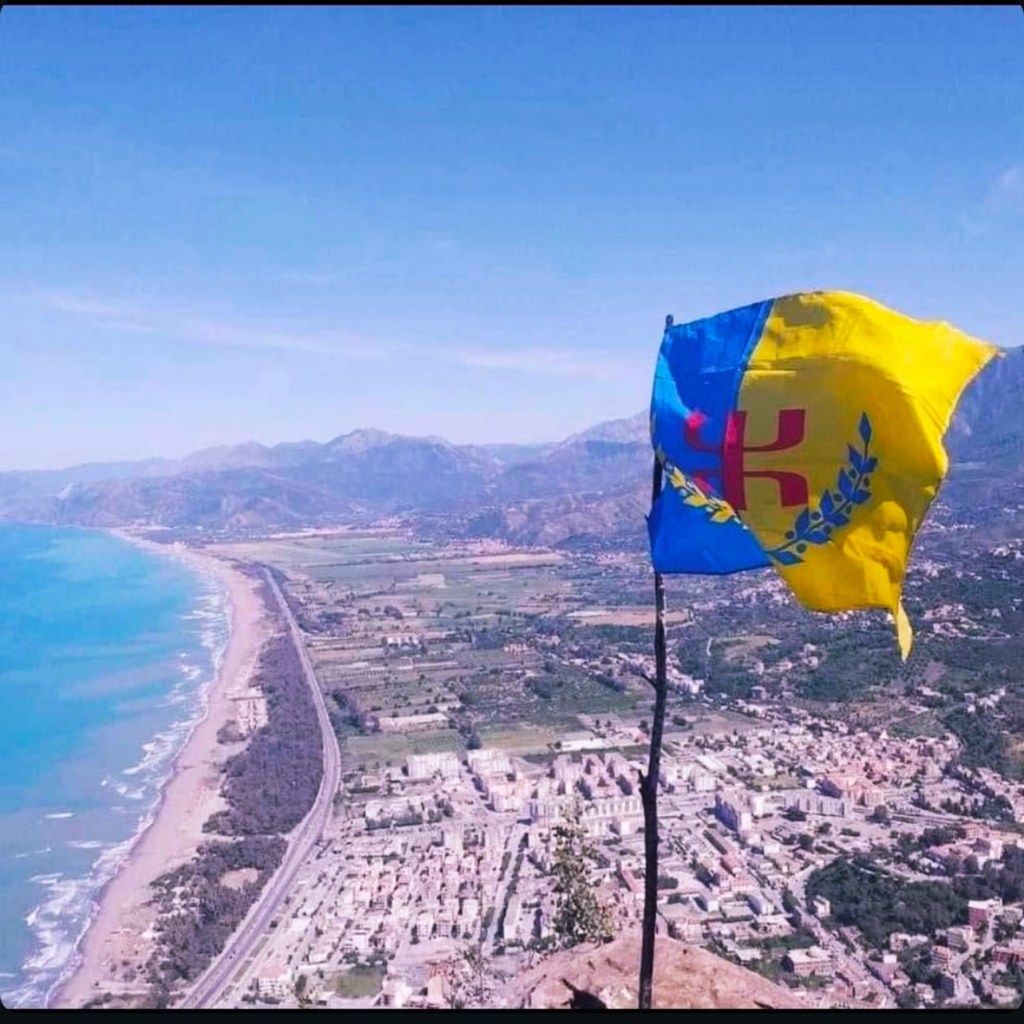
Kabylia, with its rich history, unique culture, and millennial language, has all the potential to become a prosperous and modern nation, offering its citizens an outstanding quality of life and sustainable development.
Algeria’s centralized and oppressive political agenda slows down the immense potential of Kabylia, which solely self-determination would allow it to be fully liberated. Thus, by accessing to independence, Kabylia could be developed into a success model for North African countries.
Now let’s delve into some facts about Kabylia:
1. Exceptional human capital
Kabylia is above all a territory of intellect and creativity, where attachment to education, values of knowledge and work are deeply rooted in its society. Its diaspora, well established in North America, Europe, South Africa, and Oceania, excels in many areas, including science, technology, literature, and entrepreneurship. Kabylia’s independence would make it possible to benefit and capitalize on these talents to build a country focused on knowledge, by promoting a competitive educational system, efficient training institutes and cutting-edge technological research centers. This talented human capital willing to serve its country and make challenges, associated with a massive investment in education, vocational training, scientific and technological research, would propel Kabylia as a hub of innovation in the Mediterranean region.
2. Tourism in all its forms

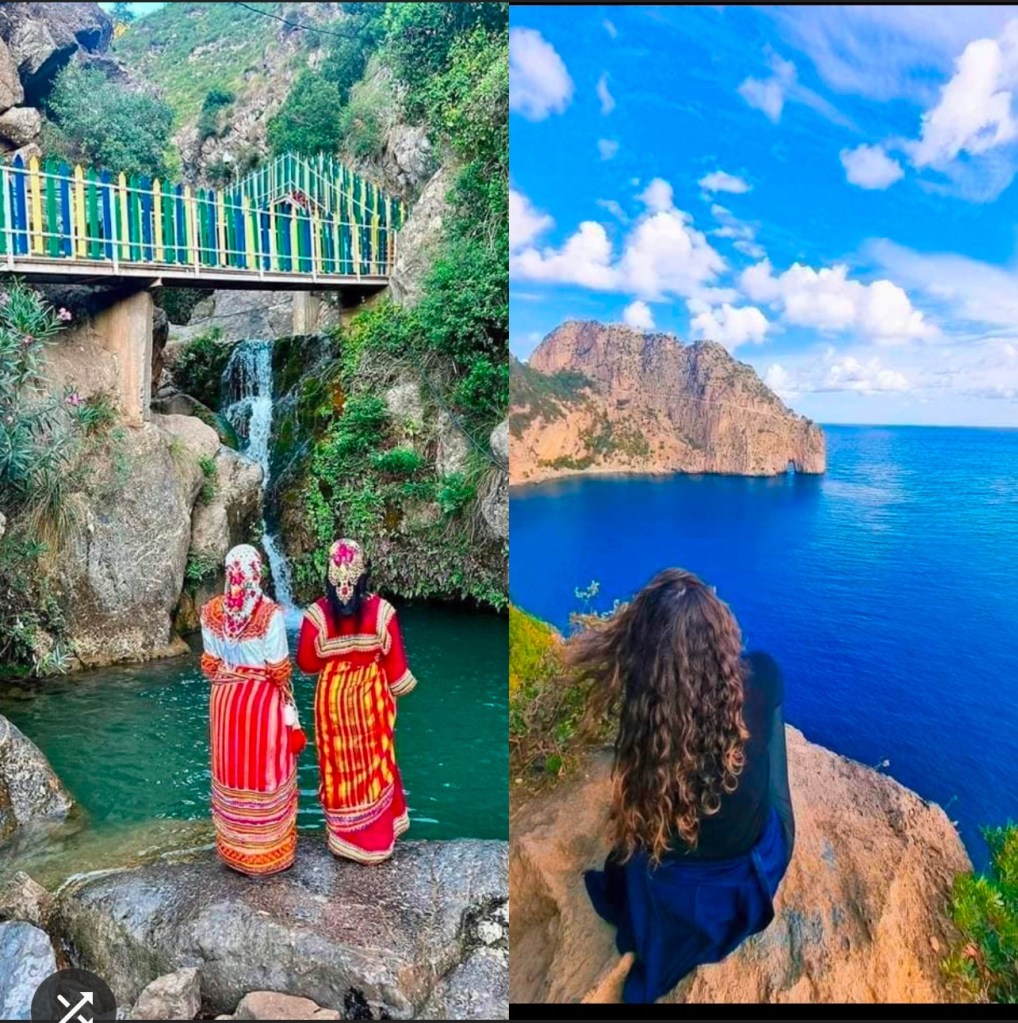
With its majestic mountains– Jarjer: Djurdjura, ThaVavourth: Babour, Thigura: Biban, access to the Mediterranean Sea, rich and diversified historical and cultural heritage, Kabylia has exceptional assets to become a major tourist destination in North Africa. Its tourism assets could come in several forms: ecotourism, cultural tourism, adventure and seaside tourism, sports tourism, and business tourism. Developing quality and environmentally friendly infrastructure (ecological hotels, panoramic roads, marked hiking trails, open air camping,). Festivals, historical tours, outdoor activities, and immersive experiences in the Kabylian culture would offer a diversity of activities to tourists in search of unique experiences and authentic nature.
This could certainly attract millions of visitors from all over the world, and benefit Kabylia’s economy.
3. Management and development of water resources
Independence would allow Kabylia to take over the management of its precious water resources. Programs and projects to build new dams to produce electricity, water reservoirs and the widening of its rivers, such as the Soummam Valley, Kabylia could guarantee a stable and sustainable water supply, essential for agriculture and the daily life of its population. At the same time, policies to protect water resources and combat river pollution would promote eco-responsible water management, support local industries, and hopefully enable exporting drinking water and electricity to its closest neighbors.
4. Development of the pharmaceutical industry
Kabylia could develop a dynamic pharmaceutical industry, relying on its unique biodiversity, especially in medicinal plants, and on its qualified human capital in health sciences, biology, and derived sectors. Partnerships and collaborations with international biotechnological and pharmaceutical companies, as well as research centers would promote research in local pharmacology, which would uplift Kabylia’s position as an innovative player in the pharmaceutical sector throughout the Mediterranean region and Africa. Therefore, by investing in modern laboratories and state-of-the-art equipment, this industry could not only meet domestic needs, but also export quality pharmaceutical products to international markets.
5. Promotion of light industry and creative industries
Away from Algeria’s bureaucratic and corruption constraints, Kabylia could develop light industries, such as textiles, electronics, household appliances, automation, leather, and ecological building materials. Kabylian crafts, including pottery, weaving and jewelry, could be valued and protected through quality labels. Supporting export of these artisanal products to international markets, Kabylia would strengthen its cultural identity while creating jobs for its population and generating foreign currency.
6. Sustainable and innovative agriculture
The favorable Mediterranean climate in Kabylia has a tremendous potential to develop modern agriculture, oriented towards high-quality production and sustainable methods. Growing olive trees, fig trees, fruits, citrus fruits, and cereals, and by adopting advanced irrigation technologies, Kabylia could not only achieve food self-sufficiency, but also export high-quality organic grown products. Strong support for agricultural cooperatives and a policy encouraging agricultural innovation would stimulate this key sector of its economy.
7. Improvement of transportation and infrastructure
An efficient and well-designed transportation network would be essential for the prosperity of Kabylia. Construction of expressways, railways, modern ports, and small international airports could facilitate trade and tourism. Maritime transport, with well-placed ports, would promote import-export, strengthening economic ties with Mediterranean countries and beyond. Quality infrastructure would enhance connectivity and contribute to the economic development of the Kabylian state.
8. The agri-food industry: enhancing local resources
Agri-food could become a key sector, when relied on local production, and follows sanitary and modern processing methods. Investing in product’s processing plants to extract olive oil and transform dairy products, or package fresh fruit, dried fruit, cereals, honey, Kabylia could meet domestic needs and develop exportable products. This sector would also be a lever to promote healthy and sustainable food, in accordance with the ecological values of the Kabylian people.
9. Pottery and crafts: preserving and exporting Kabylian culture
Traditional Kabylian arts, such as pottery, basketry, and weaving, are cultural pillars to be enhanced. Creating workshops, training, and cooperatives, in the independent Kabylia could encourage the transmission of this ancestral know-how while developing an export market for unique and high-quality handicrafts.
10. Research and development: a pillar of creativity, innovation, and invention
The independence of Kabylia would offer the opportunity to create a research and development ecosystem focused on the challenges of modernity. Encouraging innovation in sectors such as renewable energy, information technology, biotechnology, and artificial intelligence, Kabylia could attract international investment and position itself as a center of expertise in the Mediterranean region and North Africa. Collaborations with international research institutions and universities would certainly strengthen this ambition.
11. Development of engineering services
Finally, the engineering services sector could thrive in an independent Kabylia. A focus on technical skills and training, Kabylia could offer quality engineering services, particularly in the areas of infrastructure, energy, and industry. Local engineering companies, in collaboration with international partners, could contribute to the modernization of Kabylia’s infrastructure and its economic development, thus contributing to the development of African countries in general and North African countries.
A model inspired by Singapore and other prosperous nations.
The Singapore model, which has been able to transform its geographical and economic constraints into assets, demonstrates that the size and absence of mining and fossil resources are not a brake on success. By relying on its human capital, culture, social justice, peace, political stability, transparency, supportive and customary governance, Kabylia could become an example of development and prosperity in North Africa and the Mediterranean region. An independent Kabylia, with a diversified economy, modern infrastructure, and a preserved cultural identity, would be a key player in the Mediterranean region and a partner of choice on the international scene.
Kabylia in its partnership and collaboration agenda will privilege to be an ally of the United States of America, because Kabylia shares with the USA the same values–liberty, democracy, human rights, free market, innovation spirit, freedom of entrepreneurship and creativity.

 The Kabylia Post
Leave a comment